
One underlying cause of inflammatory bowel disease pinpointed in new study
Autoantibodies may be disabling one of the body's anti-inflammatory brakes in some IBD patients, a new study finds.
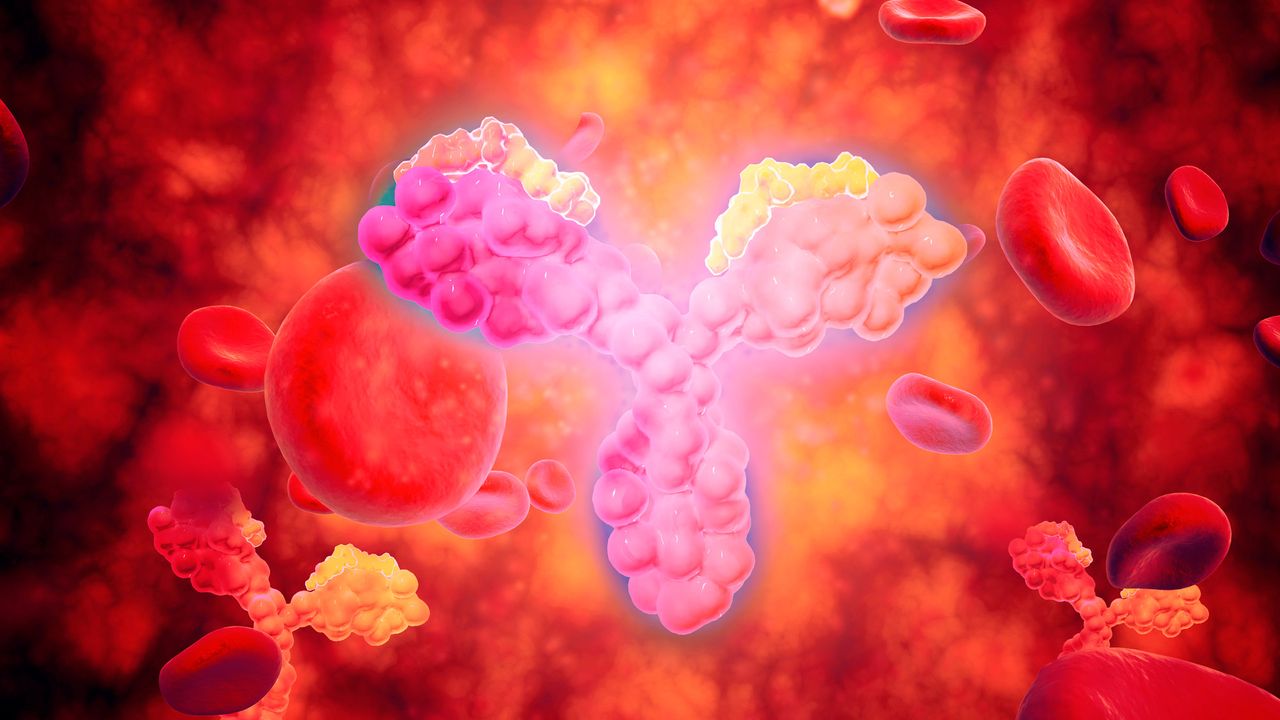
The causes of inflammatory bowel disease (IBD) are poorly understood, but now, scientists have pinpointed a runaway immune response that may underlie the condition in some patients.
IBD, which is characterized by chronic inflammation in all or part of the digestive tract, affects millions of people worldwide. Its principal forms are Crohn's disease, which can occur at any point of the gastrointestinal tract, and ulcerative colitis, which affects only the colon and rectum.
While IBD patients may experience similar inflammation, the underlying cause may be different. Understanding those differences could potentially unlock new, targeted angles for treatment, researchers concluded in the new study.
"Identifying these patients early could eventually allow clinicians to move more quickly toward therapies that address the specific mechanism of disease rather than relying on a trial-and-error sequence of medications," Dr. Brad Pasternak, medical director of the IBD Clinic at Phoenix Children's Hospital, who was not involved in the work, told Live Science in an email.
A potential subtype of IBD
The genetics of IBD are complex, with past studies linking the condition to 300 "hotspots" throughout the genome. The strongest known genetic risk factor for ulcerative colitis is a gene variant called HLA-DRB1*01:03, but how this variant contributes to IBD has been unclear.
The new study, published June 10 in The New England Journal of Medicine, helps connect the dots.
A major clue had emerged in previous research by the same team, which tested the blood of two children with IBD. The kids had autoantibodies — immune proteins that target the body itself rather than germs — that were neutralizing a key anti-inflammatory protein called interleukin-10 (IL-10).
IL-10 normally works by inhibiting the secretion of pro-inflammatory proteins, so patients whose bodies block IL-10 are effectively releasing a brake that should be holding off inflammation, Pasternak said.
The researchers suspected that these autoantibodies could be one factor causing IBD. In their latest study, they sought to find out whether more IBD patients had the same autoantibodies.
The study included data from over 4,900 people with IBD and over 1,000 without the condition. Using two separate lab tests, the researchers analyzed blood samples from both groups, finding the autoantibody in 173 of the IBD patients, or about 3.5%. The autoantibody was virtually absent from the blood of the comparison group.
Then, in lab experiments, the team exposed immune cells to blood from the IBD patients who carried the autoantibody. This lowered the amount of IL-10 while triggering a pro-inflammatory response.
Study co-author Dr. Holm Uhlig, a pediatric gastroenterologist at the University of Oxford, told Live Science that identifying what drives the formation of the autoantibodies will be "a question of intense interest." For now, though, their data suggests that patients carrying HLA-DRB1*01:03 are far more likely to have autoantibodies blocking IL-10 than those without the variant.
Historically, the variant has been associated with severe IBD that can require major surgery to treat. "Currently, autoimmune responses are not at all part of the therapeutic repertoire, and that's why we feel it's a relevant study," Uhlig said.
Uhlig also noted that the subgroup of 3.5% of patients they identified is a "significant number," given the large overall number of IBD patients worldwide.
In general, many IBD patients are currently treated with therapies that broadly suppress inflammatory pathways, Pasternak said, but not everyone responds to treatment. This study points to a potential way to someday tailor treatments to the mechanism driving specific patients' diseases, he said.
Aside from offering personalized treatments for IBD patients, Uhlig said their findings may improve diagnoses.
"Patients could undergo genetic testing already in the early stage of their disease diagnosis," he said, "and then it would determine their susceptibility to develop autoantibodies."
This article is for informational purposes only and is not meant to offer medical advice.